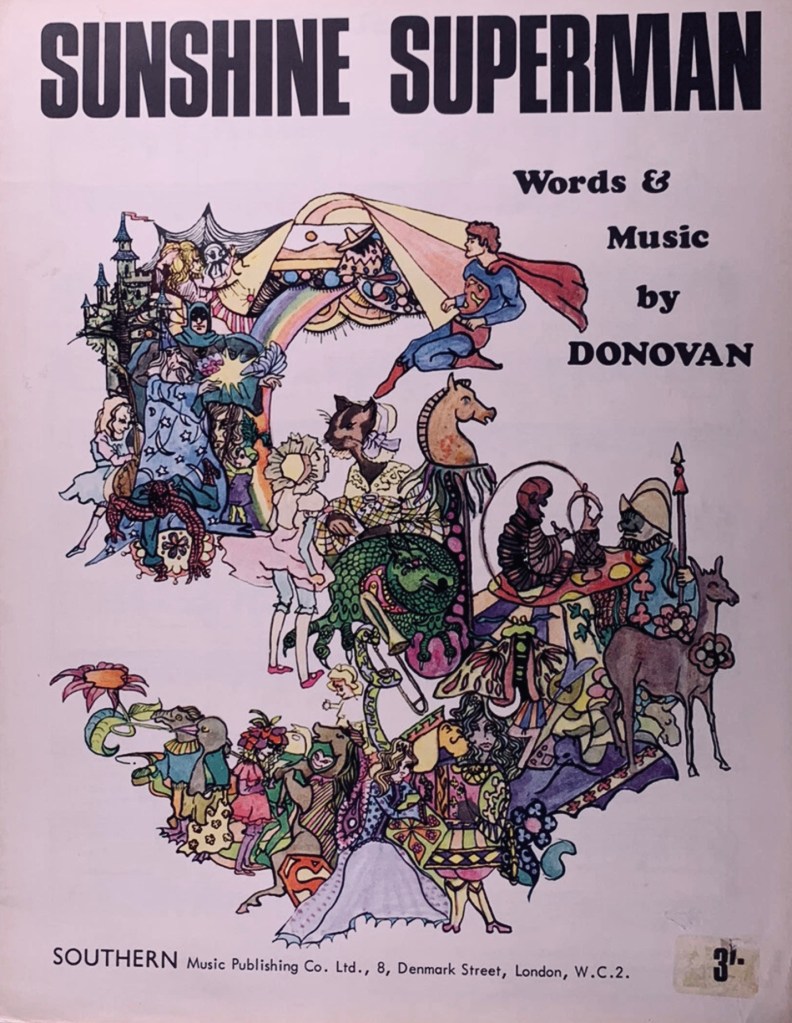
Oddly enough, Donovan’s Sunshine Superman is, despite its wonderful, psychedelically-woozy soundscape, a song about renouncing easy pharmaceutical escapes in favour of patience and resilience. Love, it seems, will arrive in its time for the pure of heart. This being Donovan, mind you, his confidence about his virtues is hardly tainted by modesty. As he sings, “Superman or Green Lantern ain’t got a-nothin’ on me”. Still, for recognising the existence of DC superheroes in (a darn fine) song and for the cover of the British sheet music, above, in which lurks not just Supes, but Batman, Spider-Man & other fantastical icons, I’ve no hesitation in claiming it, rising in August 5th’s 1966’s American singles chart as it was, for The Almanac.
A shame Green Lantern himself is absent from the above illustration, but you can’t have everything …
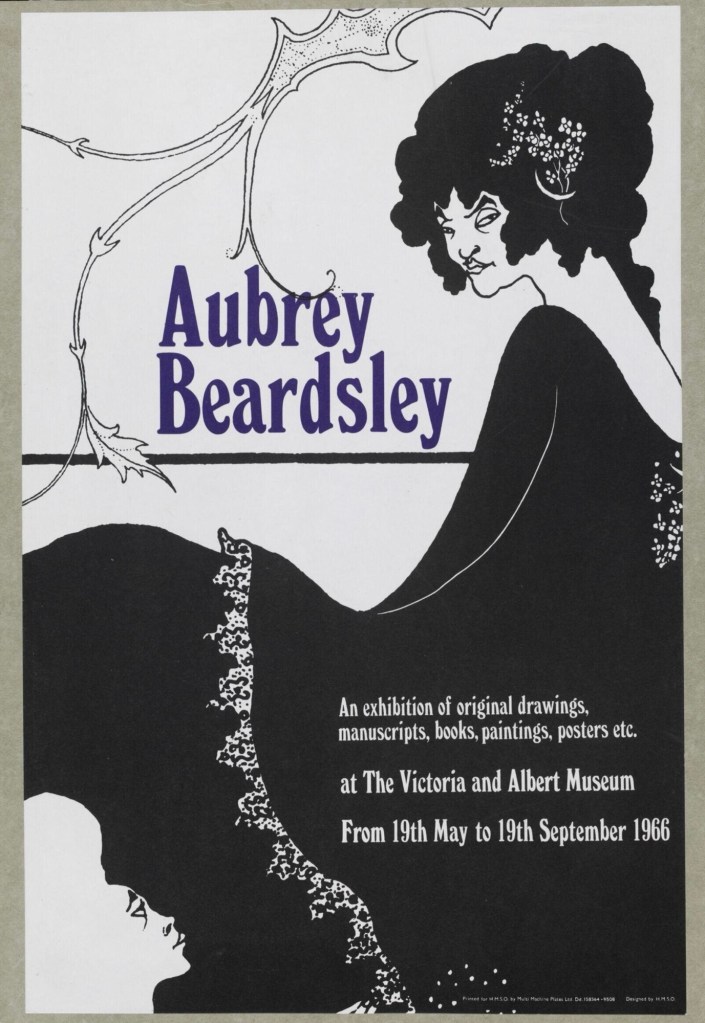
It’s hard to process how peripheral a figure Aubrey Beardsley was in the broader culture until The Victoria and Albert Museum’s substantial exhibition of his work in the summer of 1966. With a Victorian revival picking up speed, Beardsley’s legacy had began to speak not just to devotees and disinclined experts, for he’d hardly been forgotten by Them That Know And Care, but to the nascent British counter-culture too. As many contemporary reports about the exhibition remark, there were an unexpectedly large number of young attendees. Beardsley’s technical brilliance, jaw-dropping inventiveness and frequently explicit subject matter spoke to an alienated generation looking for sympathetic and inspiring forefathers. His work lent them not just pleasure, but the assurance that their various radical tendencies were rooted in the deep history of British culture. Rather than being defilers of tradition, as they were so often accused of being by the various wings of the establishment, they were instead its inheritors. In the, shall we say, unconventional lifestyles depicted in Beardsley’s art, there seemed to be both a fascinating mirror to 60s rebellion and a weighty legitimisation too.
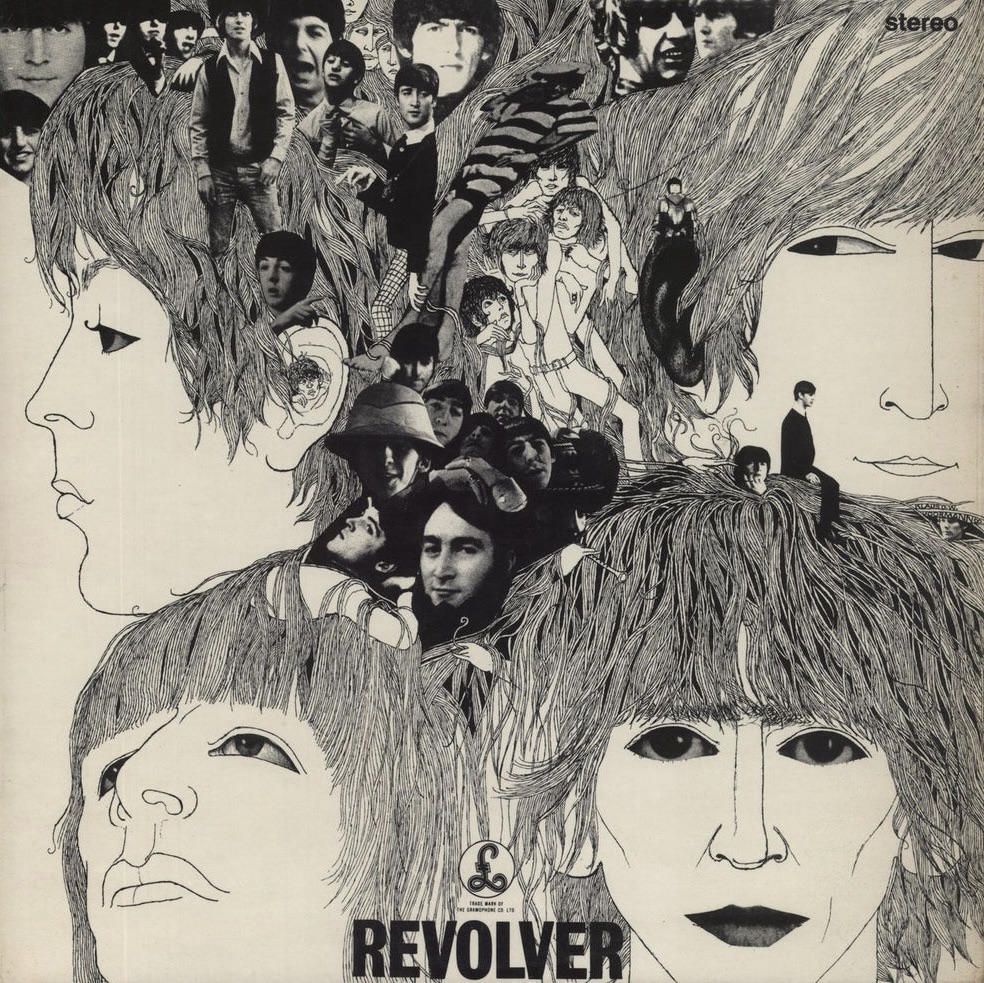
Beardsley’s wider prominence has of course outlived the mass popular culture of the 60s. The hippies are long gone, the art nouveau revival peaked and receded, and so on and on. But Beardsley, as he always should have been, has remained where he was rightly raised to by the V&A show, as one of the nation’s most brilliant and inspiring artists. In the 21st century, I read, his international standing has become ever-more substantial too. For The Almanac’s purposes, it’s worth adding that he has no betters as an artist of the fantastical.
The War Game
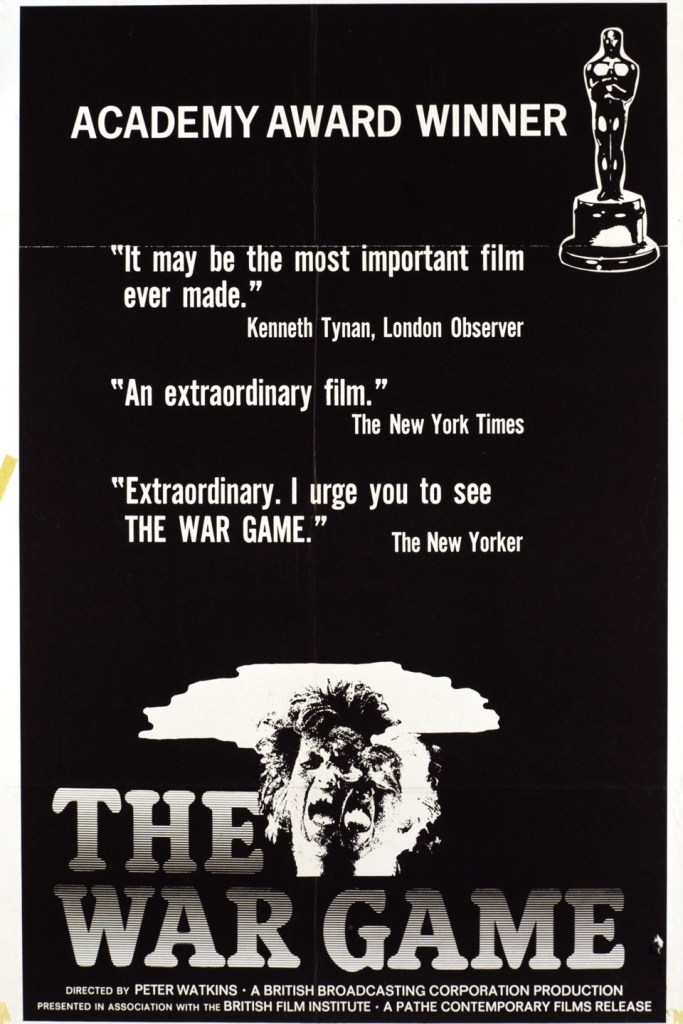
Peter Watkins’ The War Game, a truly unsettling depiction of a nuclear attack on the UK, had been banned earlier in the year by the BBC, who had somehow managed to commission and fund it before concluding that they’d made a terrible mistake. Instead, the film went on a rather slight general release, with the Classic cinema in Piccadilly Circus showing it on this very day in 1966. Described in adverts as a “film sensation”, the movie travelled with an X-certificate, meaning it was only to be seen by over-18 year olds. Oddly enough, it was certain groups of over-18s who the director general of the BBC Sir Hugh Greene had expressed concern for when he banned The War Game, suggesting that “someone elderly or unbalanced” might be driven to suicide by the film. It was, the Corporation declared in a letter to the Press Council, “too horrifying for the medium of broadcasting”. Less fearful minds might, and did, counter that a movie about nuclear war darn well ought to be horrifying. But sanity didn’t prevail.
There were five opportunities every day at the Classic for audiences to be utterly terrified: 12.15, 1.50, 3.35, 6.50 & 8.35. Coming out into the dark of London after a later showing must have been, for many, a particularly disorienting experience, although stepping into sunlight after watching the fate of a nuke-blasted Kent onscreen will have carried its own charge of perplexity and anxiety.
The Day’s Fantastical TV & Radio in the UK
BBC-2 – 8.00pm – Out Of The Unknown: Sucker Bait (1965: repeat)
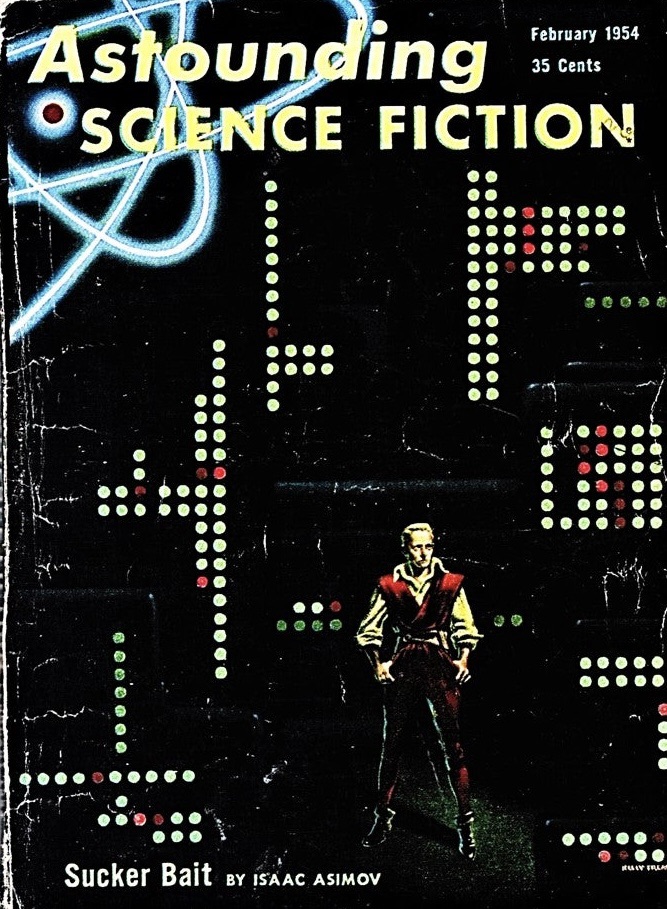
“The crew of a spaceship investigating a far planet seek an explanation for the mysterious disappearance of the previous colonists.” (Adapted from the 1954 novella by Isaac Asimov first published in April 1954’s Astounding Science Fiction, cover above.)
The Almanac Of The Fantastical will return tomorrow …

 The Almanac Of The Fantastical