The above ad for London’s Electric Cinema Club appeared in the first August 1972 edition of the underground magazine iT, or International Times as it had previously been known. As you can see from the movies on show, there was a clear reason for the Club advertising in the countercultural press. For these are selections of films aimed not just at an audience that loves the medium, but which is also fascinated by pop culture in general. (The presence in the schedule of both 1962’s comfy It’s Trad, Jazz and its cultural polar opposite Cream: Farewell Concert from just six years later strongly suggests that.) Given that Comicon ‘72 was organised by Nick Landau, who wrote for iT as well as for comics fanzines, it’s tempting to guess that all involved inhabited, to one degree or another, the same alternative social milieu. There, the devotees of previously marginalised and even despised art forms were organising themselves, carving out public spaces where private networks had predominated before. Here the nascent geek culture, as it would become known, began to manifest itself in the open. Comics fanzines, magazines like iT and movie clubs which celebrated cult cinema were all key aspects of the same social development. Film aficionados had been, relatively speaking, way ahead of the curve. But comics were following their example.
Below are the remaining 9 movies from the Electric Cinema Club’s programme for Comicon ‘72. The con’s all-nighter began just before the midnight of the Saturday and finished 12 hours later. There were undoubtedly challenging movies on show, yet the few brief mentions about the programme in later reports suggest that it was a success. I’d like to think it was.
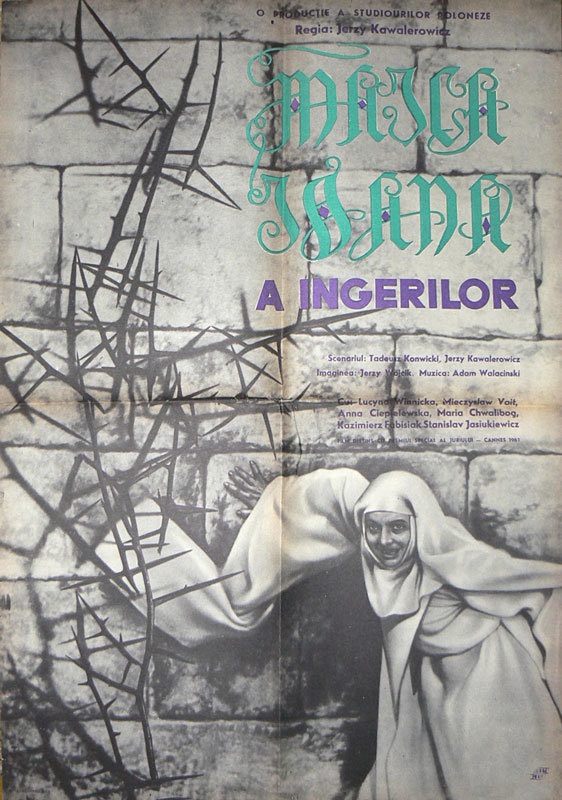
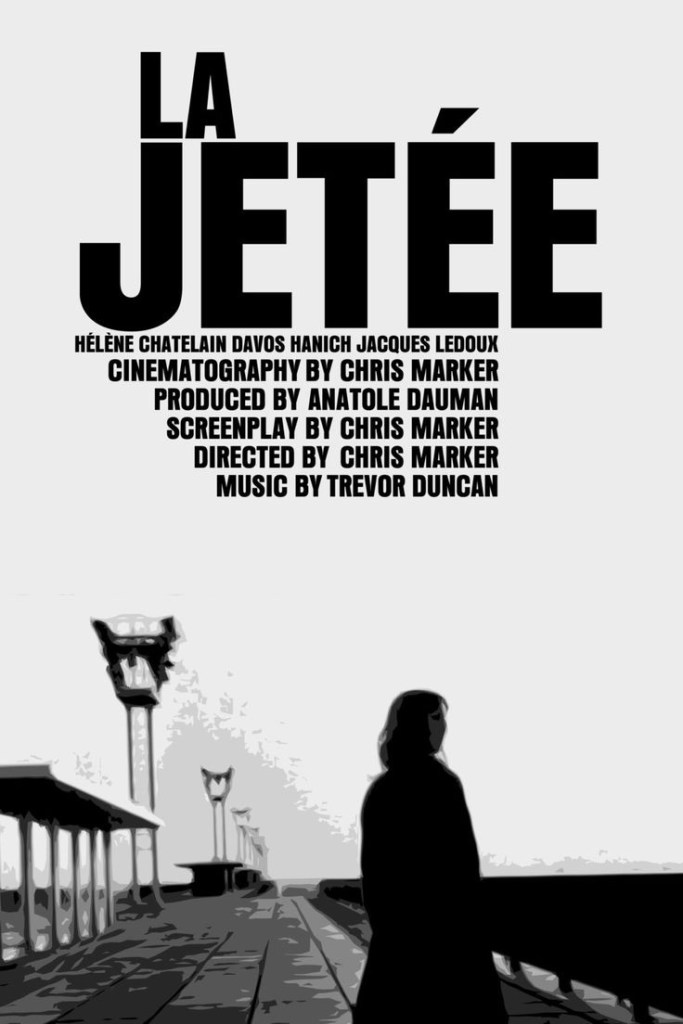
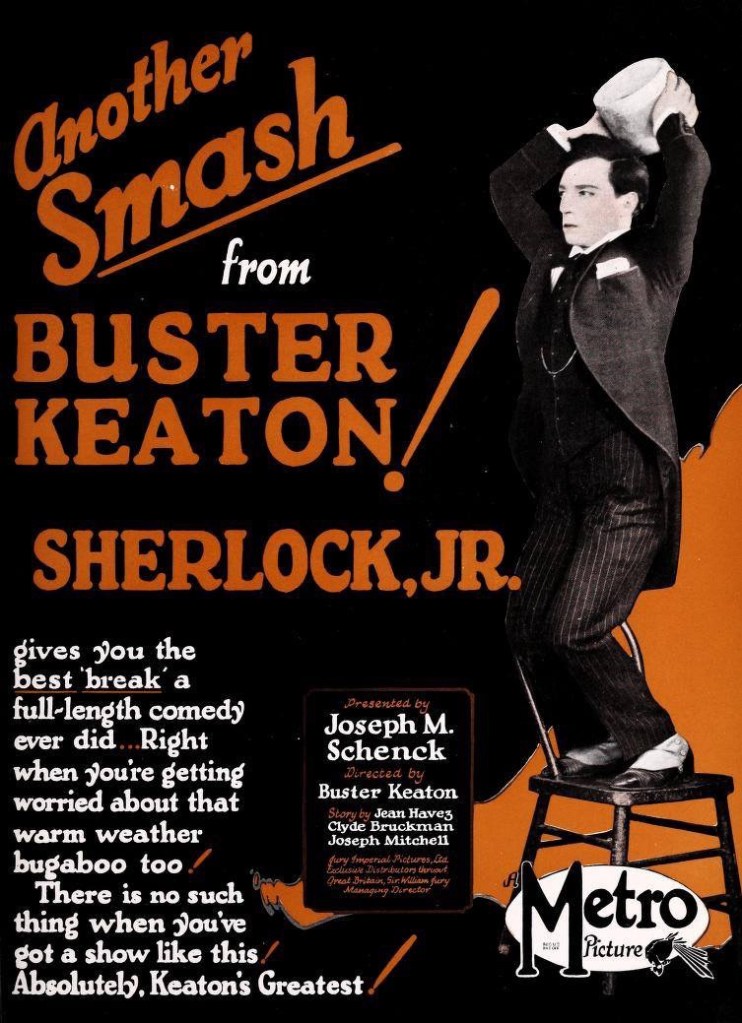
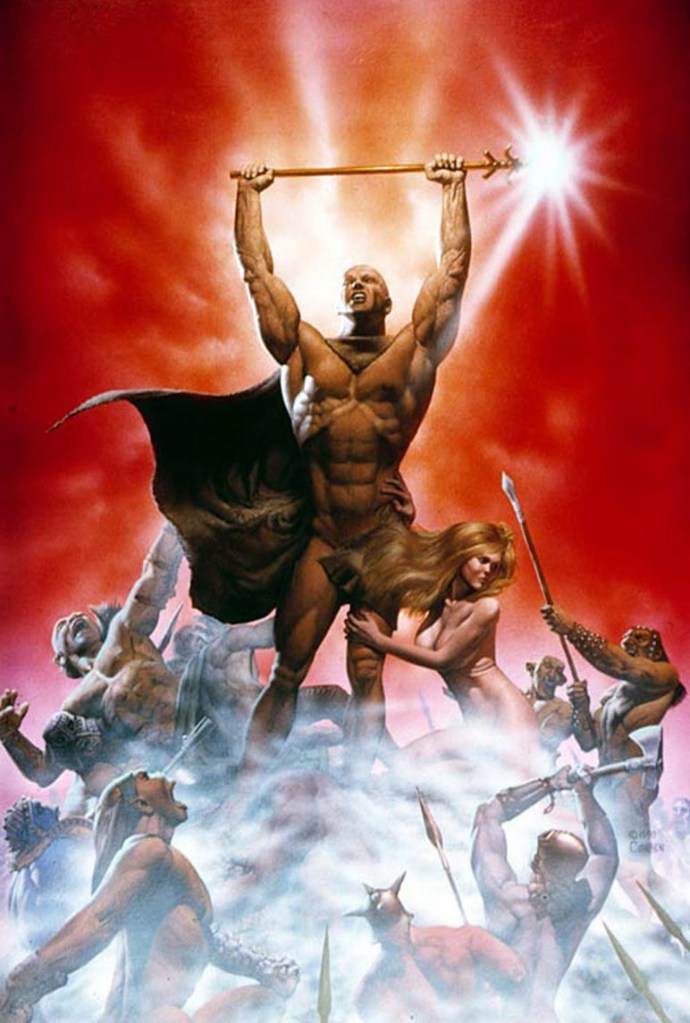
The Little Island, 1961: “A brilliantly conceived cartoon film (directed by Richard Williams) about three little men who arrive on an island and end up by quarrelling as the result of their different opinions and attitudes.”A Christmas Carol, 1972: “(Richard William) was given the directive, ‘You will animate the film as if you were Dickens in 1850. He did this in collaboration with Chuck Jones … The result has so far won several rewards”.The Spirit of 1976, 1935: “A fantastic two-reeler musical starring Betty Grable.” (nb: this is a truly rare movie today, with even pics & posters being tough to track down. IMDB gives a brief plot summary that tells us more about why it was chosen for this all-nighter: “In the futuristic Utopian society of 1976, people, who have numbers instead of names, no longer have to work. They get tired of always playing, and revolt, eventually winning the right to work again.”)“The Devil’s Story (made infamous by Ken Russell) brilliantly translated into the Poland of the 17th century. The Gadfly, 1955: “Set in Italy in the mid-19th century when the Austrian troops were overrunning the country … Artur .. returns to Italy, lusting for revenge, and under the guise of the Gadfly, terrorises the police and church …”.Judex, 1963: “Judex is an attempt to recapture the thrills and glamour of the pre-First World War adventure serial of the same character, and has now become a cinematic post-war classic.”La Jette, 1964: “After the destruction of Paris in a nuclear war, the survivors settle into a network of subterranean chambers, and experiments are conducted in an attempt to escape the present, by finding a loop-hole in time.”Sherlock, Jr, 1924: “Keaton is a cinema projectionist who dreams he is in the actual film that he is showing. ‘Eventually he dominates the plot and transforms it into a frenzied parody of a detective story’. Neverwhere, 1968: a last minute addition to the evening, too late to be included in the Comicon ‘72 booklet, was the short cartoon version of Richard Corben’s alt-world barbarian fantasy”.
The Almanac Of The Fantastical Almanac will return tomorrow …







 The Almanac Of The Fantastical