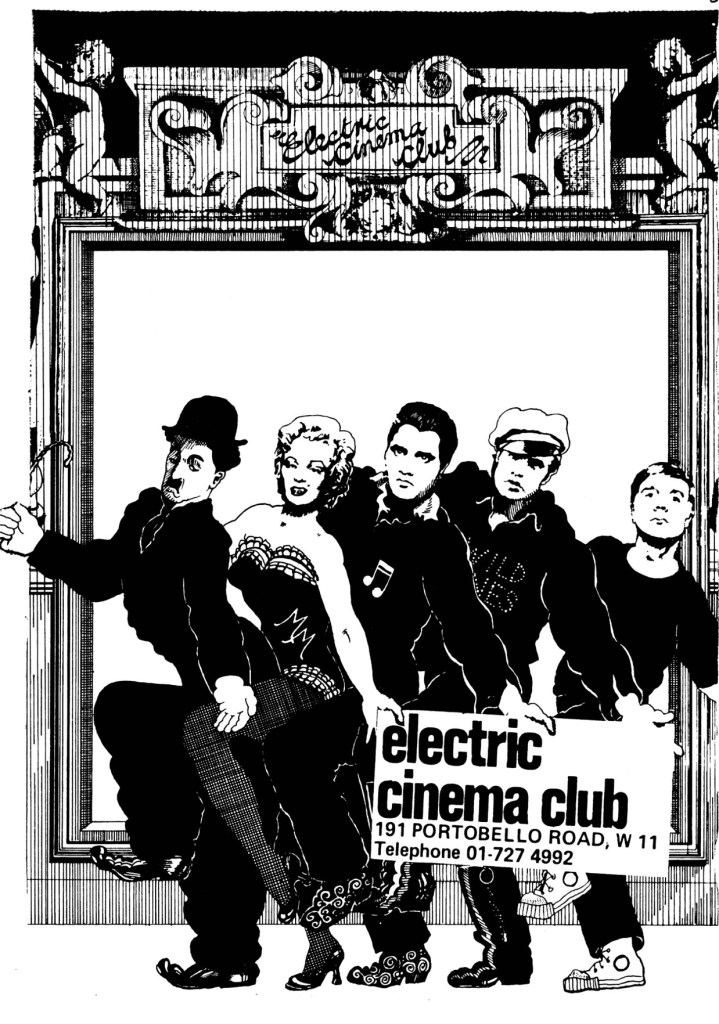
As an example of a film show for a comics convention, it’s hard to think of one that’s more impressive than that provided by the Electric Cinema Club for August 6th/7th’s Comicon ‘72. In truth, the line-up of movies the ECC provided, and indeed helped to sponsor, would make for a quite brilliant film festival today. It concerns me that, here in 2025, I’ve still seen so few of them.
One of the things that makes the movies shown at Comicon ‘72 fascinating is how they show a canon of fantastical films being brought into being. To curate a movie lineup for a gathering of comics fans in the period was, in some ways, a demanding business. Although the theme of the convention as a whole was animation, the movies were linked by the idea of fantasy. (As you’ll see from the films that were chosen, many of them were cartoons too.) Some other cons opted to show a string of relatively familiar cartoons, TV dramas and well-known features. These could go down very well indeed, and why the heck wouldn’t they? Mainstays like the Fleischer Superman cartoons were almost impossible to see on terrestrial TV, and their appeal hardly flags on a second showing. But the ECC’s film choices give every impression of being an expertly curated education laid on by enthusiastic and knowledgeable movie-lovers who were travelling an extra mile. If this isn’t necessarily better than a more general grab-bag, it does take a different tack. Rather than presenting material which spoke directly to comics, these movies helped place four-colour genres in their broader context. (And before I come across as a Priest Of The Worthy, it’s a list that’s also a lot of fun too.)
I’ll present the Electric Cinema Club’s choices today and tomorrow here at The Almanac, drawing mostly on material in the Comicon booklet alongside a few nuggets of information from later reviews of the weekend. And when I can get my act together, I’ll have my own festival, lasting a month or two, made up of as many of the films that follow that I can acquire.
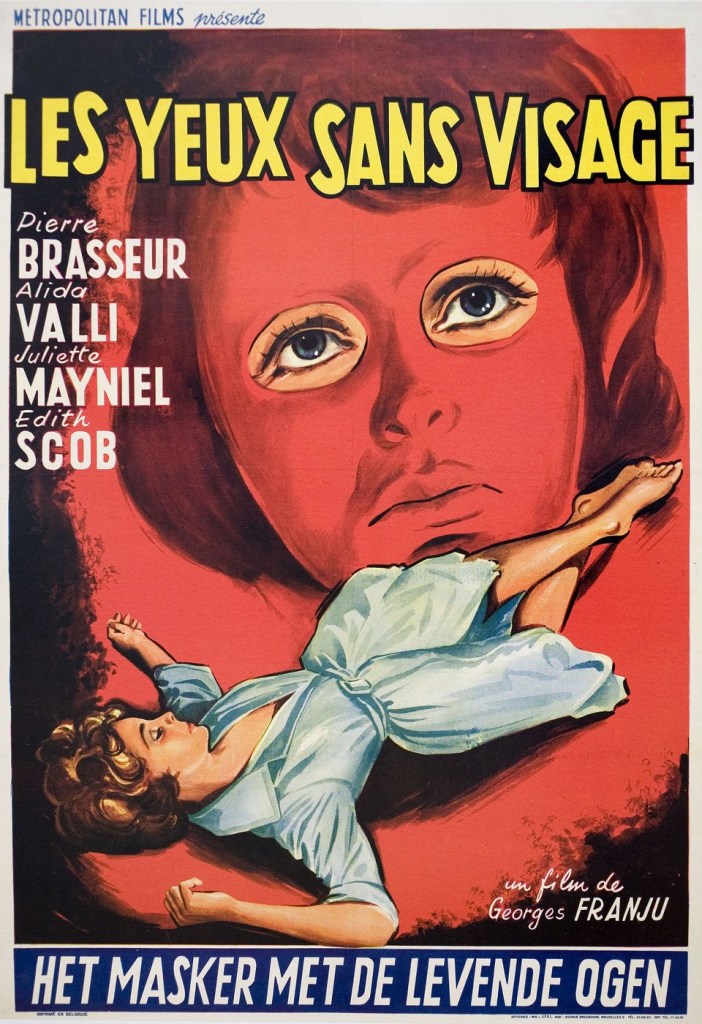
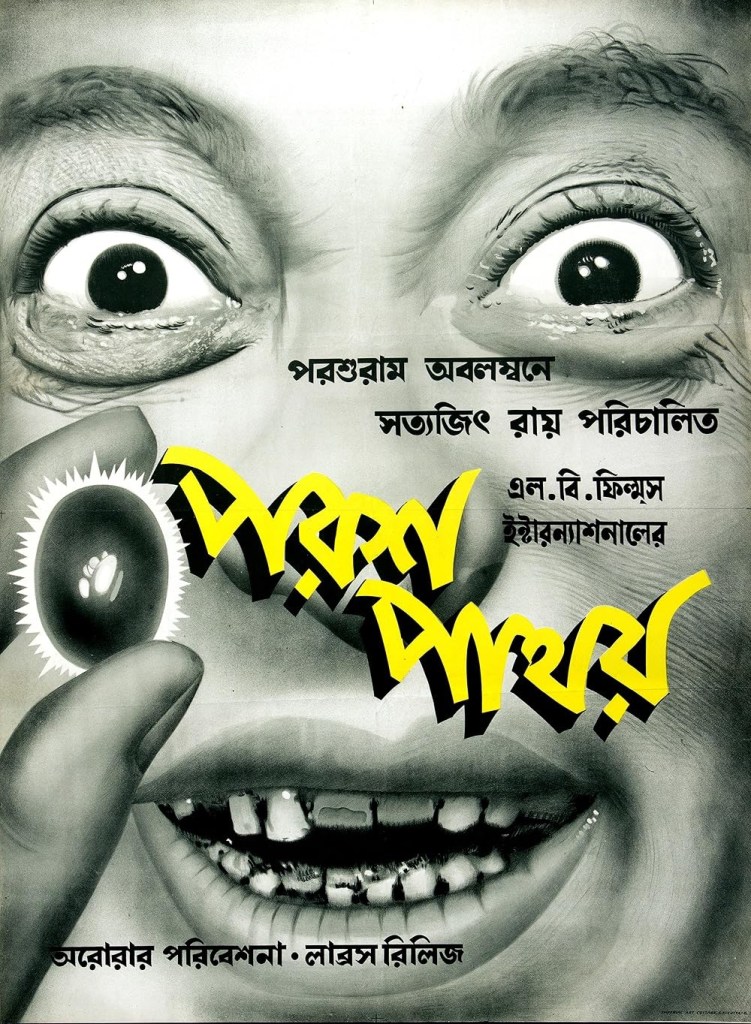
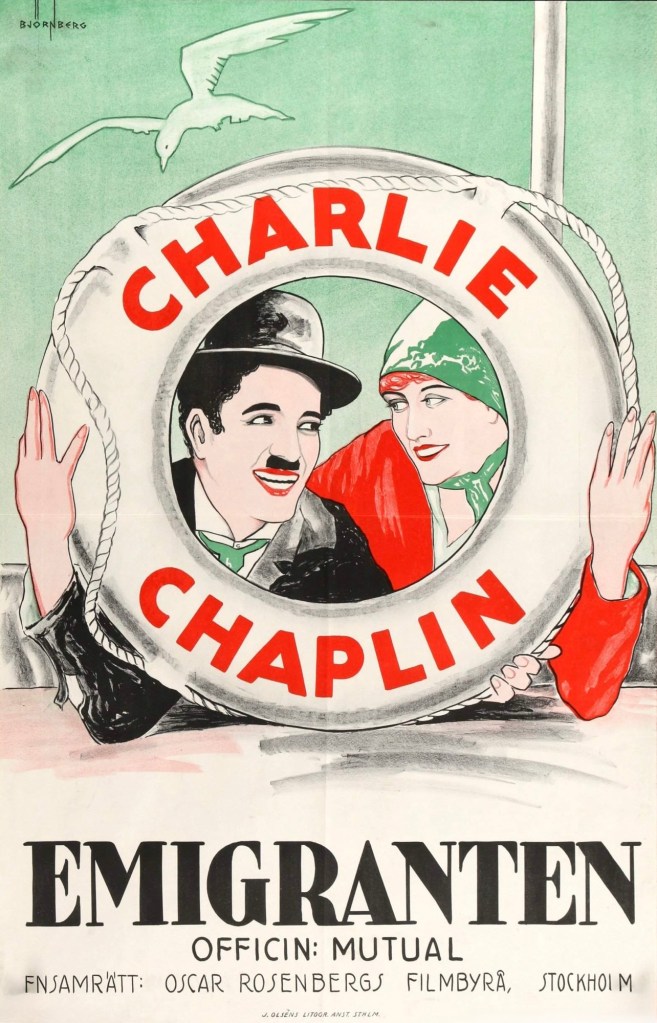
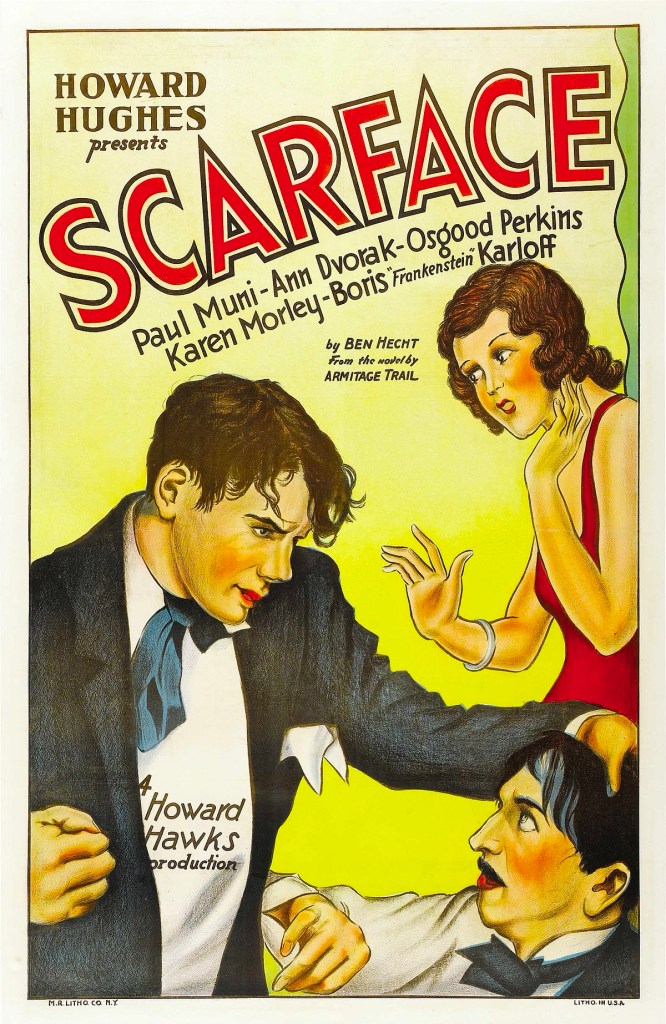
‘Eyes Without A Face’, 1959: “(Georges) Franju’s excursion into the field of pure horror became, predictably, considerably more than that. An elegant, poetic study in obsession, it remains perhaps his most accomplished and controversial film to date.”“Teenagers from Outer Space, a.k.a. The Gargon Terror in the UK, 1959: “A Z-movie about (alien teens) who turn up with a ray that can separate flesh from bones, a weapon which is eventually turned on their pet, Gargon, an outsized lobster.”Les Enfants terribles, aka The Strange Ones, 1950: “Melville and Cocteau collaborated on this adaption of the latter’s novel. All the characteristic elements of the Cocteau universe are present – the fatal snow-ball fight, echoing the incestuous relation between the brother and sister, the notions of order and disorder, and the obsession with dead.”The General, 1926: “The classic Keaton comedy in which a deadpan driver … penetrates the Union lines … and brings back his engine, vital enemy secrets and his girl.”The Adventurer, 1917: “Charlie, as an escaped convict, manages to elude the police and later save two wealthy matrons from drowning … his past catches up with him and he takes flight once more …”.Parash Pather, 1958, akaThe Philosopher’s Stone: “A middle-age clerk (in Satyajit Ray’s film) finds a stone which appears to have alchemical properties. He decides to take advantage of it, and becomes a rich and respected figure. But a rival, unable to extract the secret, informs the police …”.)The Immigrant, 1917: “On a violently rocking ocean liner, filled with immigrants, a gambler robs a widow and her daughter, but Charlie wins a card games and puts the money in the girl’s pocket. Later, Charlie (finds himself) hungry and broke …”.Scarface, 1932: “Scarface is Howard Hughes’ greatest film, the bloodiest and most brutal of the gangster films: however, it is also the greatest when the shooting stops.”Le sang d’un poète, aka The Blood Of A Poet, 1934: “Cocteau’s first film was a surrealist representation of the ‘poet’s inner soul’ … and also his most homosexual film.”I don’t know if the ECC was responsible for what’s been described as the first UK showing of bloopers from the original Star Trek episodes. These were apparently a great success and were, by public demand, shown three times. And one report says comedian & TV personality Bob Monkhouse tried to buy the bootleg film, having enjoyed it so much. We take these things for granted today. In 1972, a blooper reel was, for most people, an impossibly rare artefact.
The Almanac Of The Fantastical will return tomorrow with the rest of this programme …




 The Almanac Of The Fantastical