So what is ‘fantastical music’? Well, as the phrase goes, I know it when I hear it, or, at the very least, when I read the lyric sheet and catch sight of the promo photos. Inevitably, it’s in large part a personal matter. It can be decided by a feeling, a title, a sound, a spandex jumpsuit worn on Top Of The Pops. Or not, as the case might be. Today and tomorrow, I’ll suggest a 90ish minute playlist featuring tracks that were released in and around June 1972 and/or featured in the charts of the day.
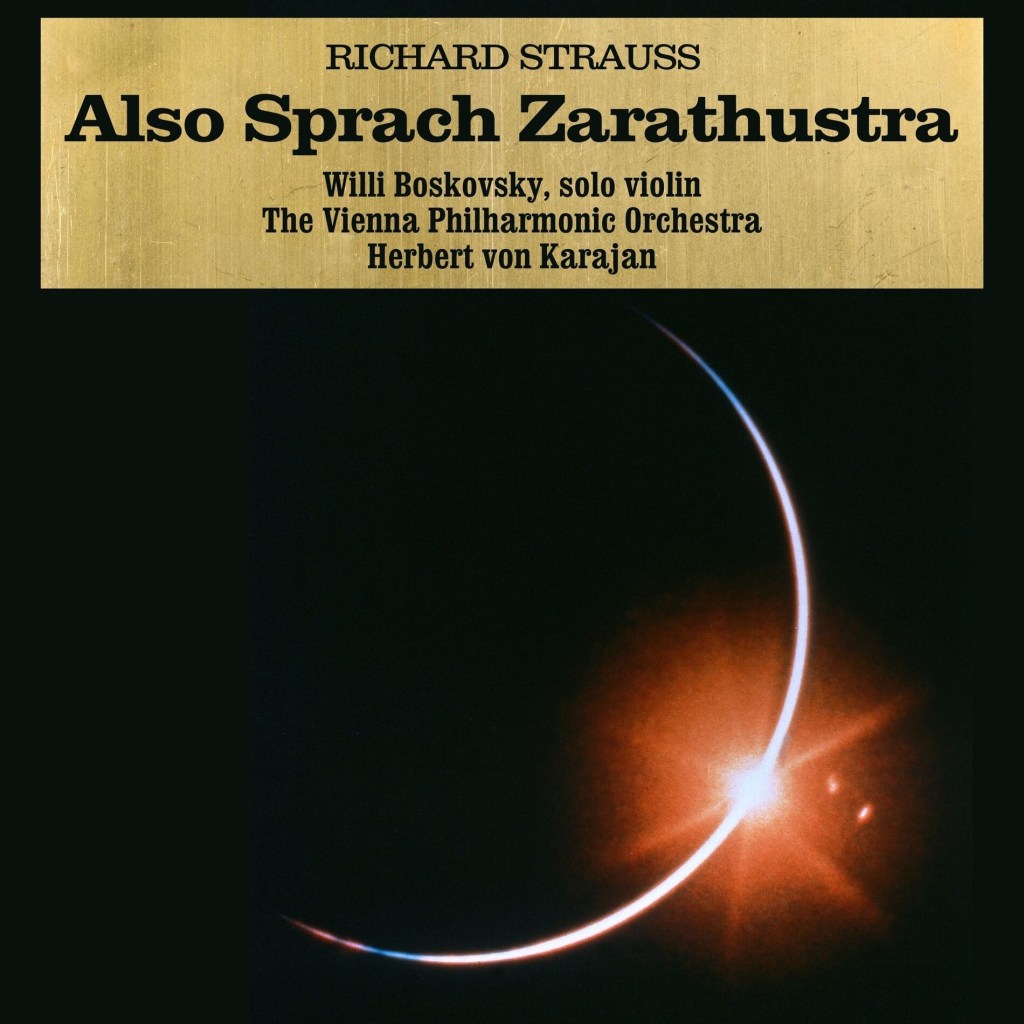
1 The prelude to Richard Strauss’ Also Sprach Zarathustra, which had of course been lent a distinctly contemporary, fantastical resonance by its use in the 1968 soundtrack for Stanley Kubrick’s 2001 A Space Odyssey.
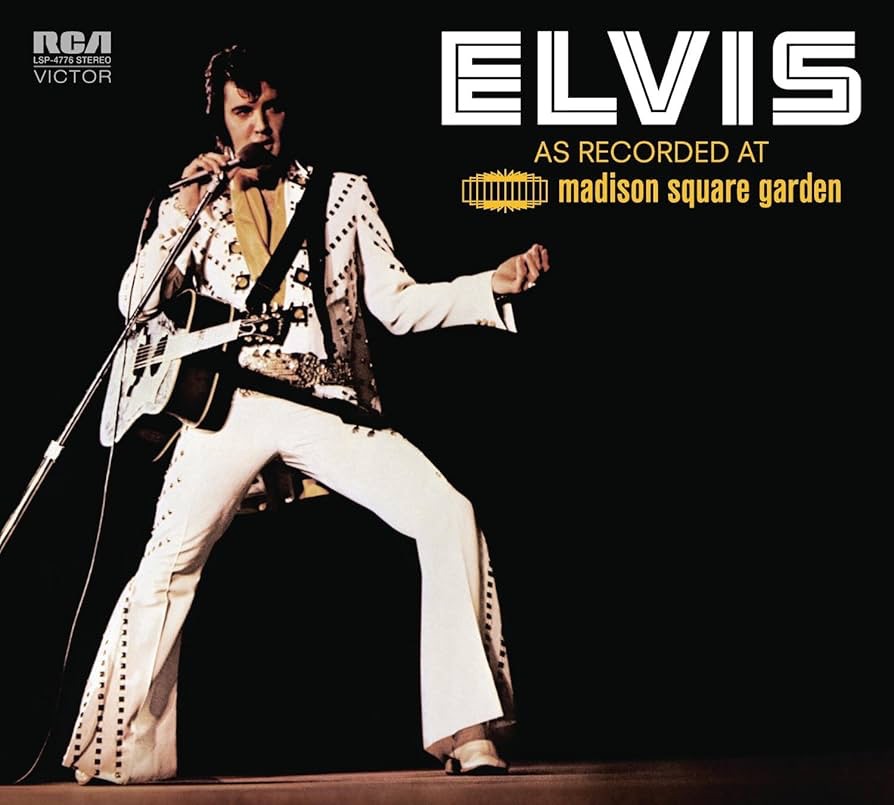
On June 10th 1972, Elvis Presley used a live performance of the prelude to herald his arrival on stage at New York’s Madison Square Gardens before launching into an exceedingly Vegas version of That’s Alright Mama. Rush released the very same month, the album of the event – it was Presley’s first concert in NYC since the Fifties – peaked at number 11 in America’s album chart during September coming. A tenuous link, you might justifiably say. But then, we are in the realms of the fantastical here …
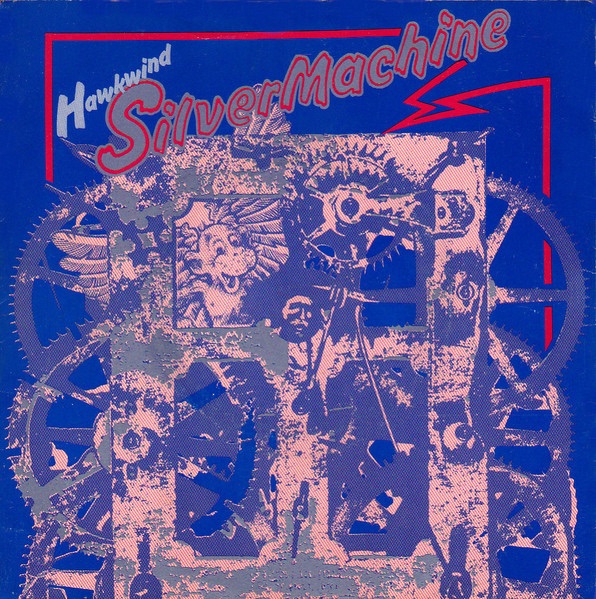
2. Released this very month as a non-LP single, Hawkwind’s Silver Machine certainly sounds like sci-fi. Pedants might insist that Bob Calvert’s lyrics were actually about a silver bicycle and only framed so as to sound as if some mighty space-and-time starship were having its virtues praised. But there’s a space-time continuum or two between a lyricist’s intentions and the way their work functions in context. Silver Machine may well be about a bike, but it’s also as sci-fi as it possibly can be.
3. ‘We had a lot of luck on Venus, we always had a ball on Mars’: I don’t think there’s much to be debated about the relevance of Deep Purple’s Space Truckin’ here. To this unfan’s relief, there’s no chest-beating machismo or head-down plank-spanking on show. It’s punchy, direct, knowingly dumb and an awful lot of fun. Hurrah!
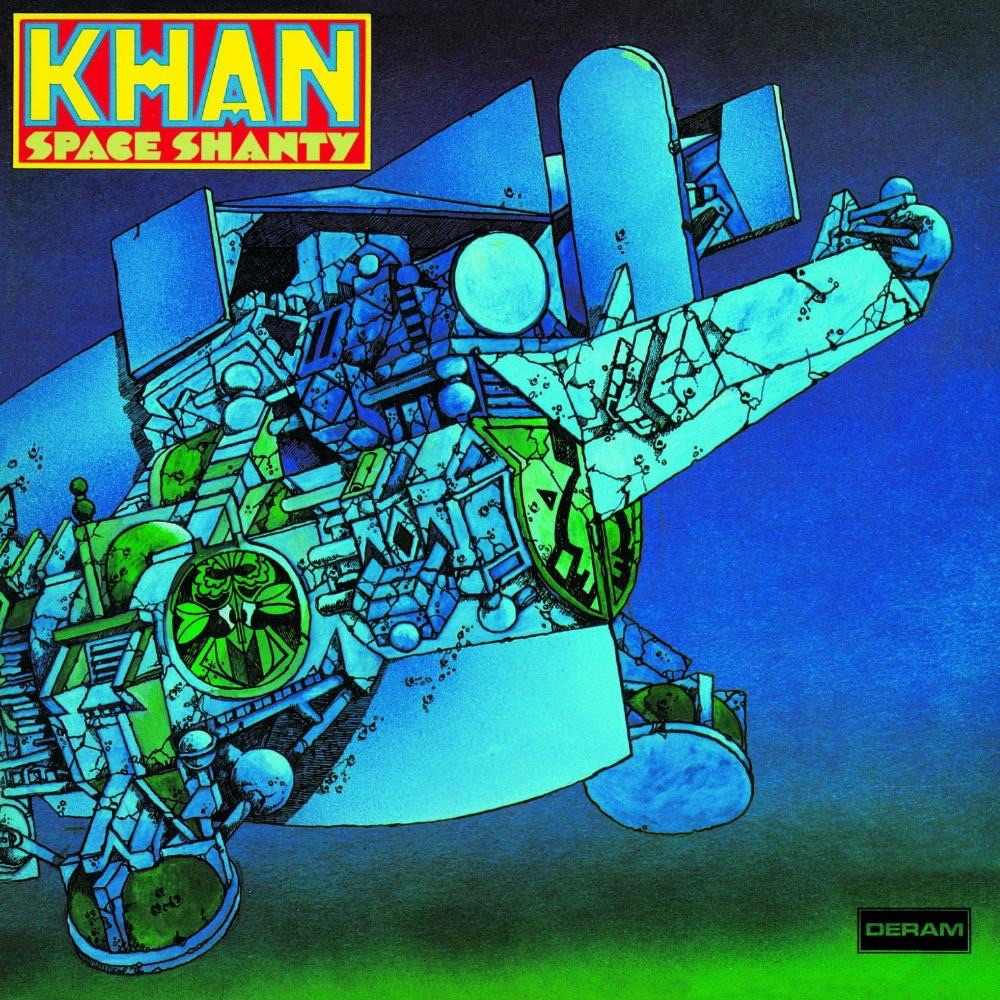
4. Khan’s Space Shanty is, as you might expect from a Canterbury band of the period featuring Steve Hillage and Dave Stewart, concentrated, unadulterated and unbound Prog. For anyone trying to draw a line between the nine minute twisty-turny epic that’s Space Shanty’s title track and David Bowie’s contemporaneous fantastical material, Hillage does sing the Ziggy-like words “Starstruck moonman”, but that’s as close as the two ever get. Khan weren’t aiming at concision, let alone commercial appeal. They were revelling in being out-there and gave every impression of intending to go far further out. Were conscious-transforming substances part of their creative process? To one degree or another, you’d have to bet on the likelihood of that being so.
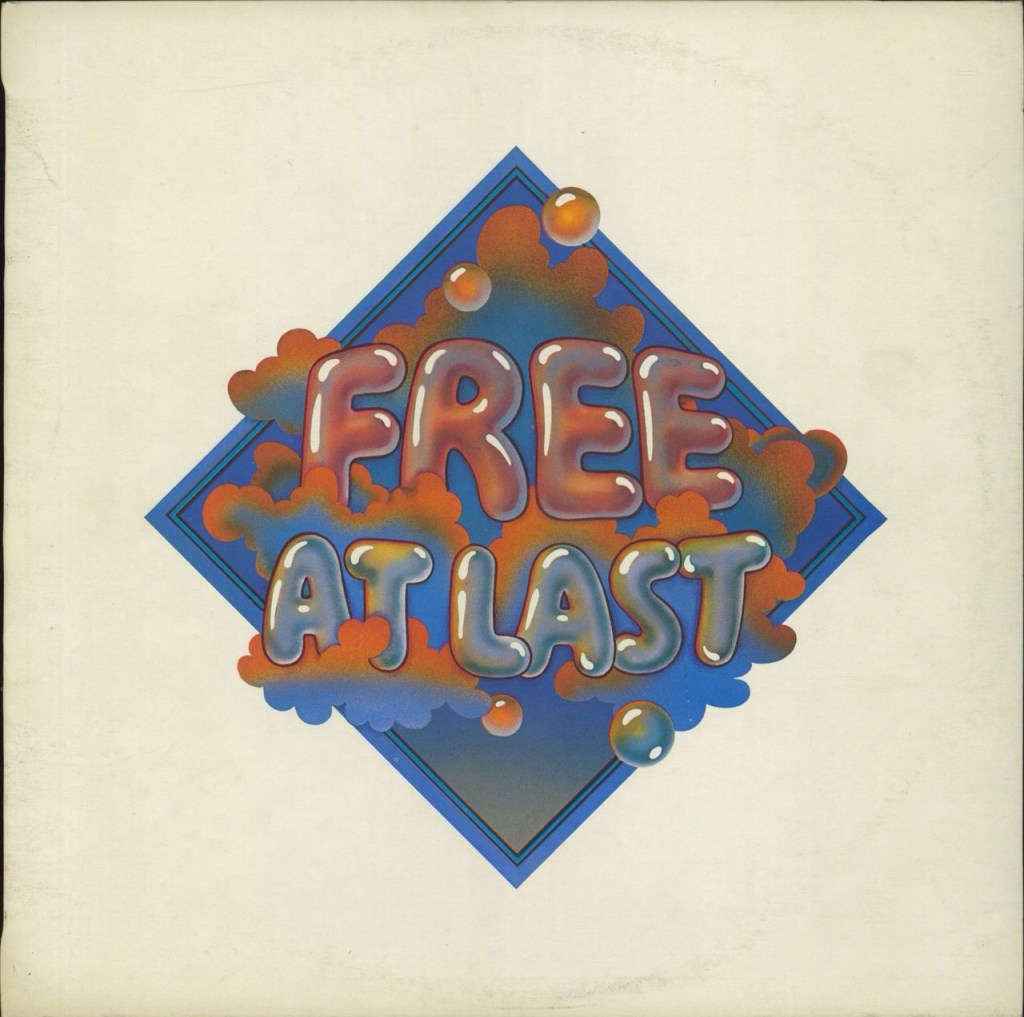
5. Track three of side one of Free’s Free At Last delivers the escapist fantasy that’s Magic Ship. ‘Over there is my magic ship, would you like to take a trip’, emotes Paul Rodgers, promising flights across the sky and sights unseen by anyone not already singing lead in a blues-rock band. Of course, he could have been singing about a touring plane and its many temptations, but sometimes the fantastical is best reached through a literal reading of the text.
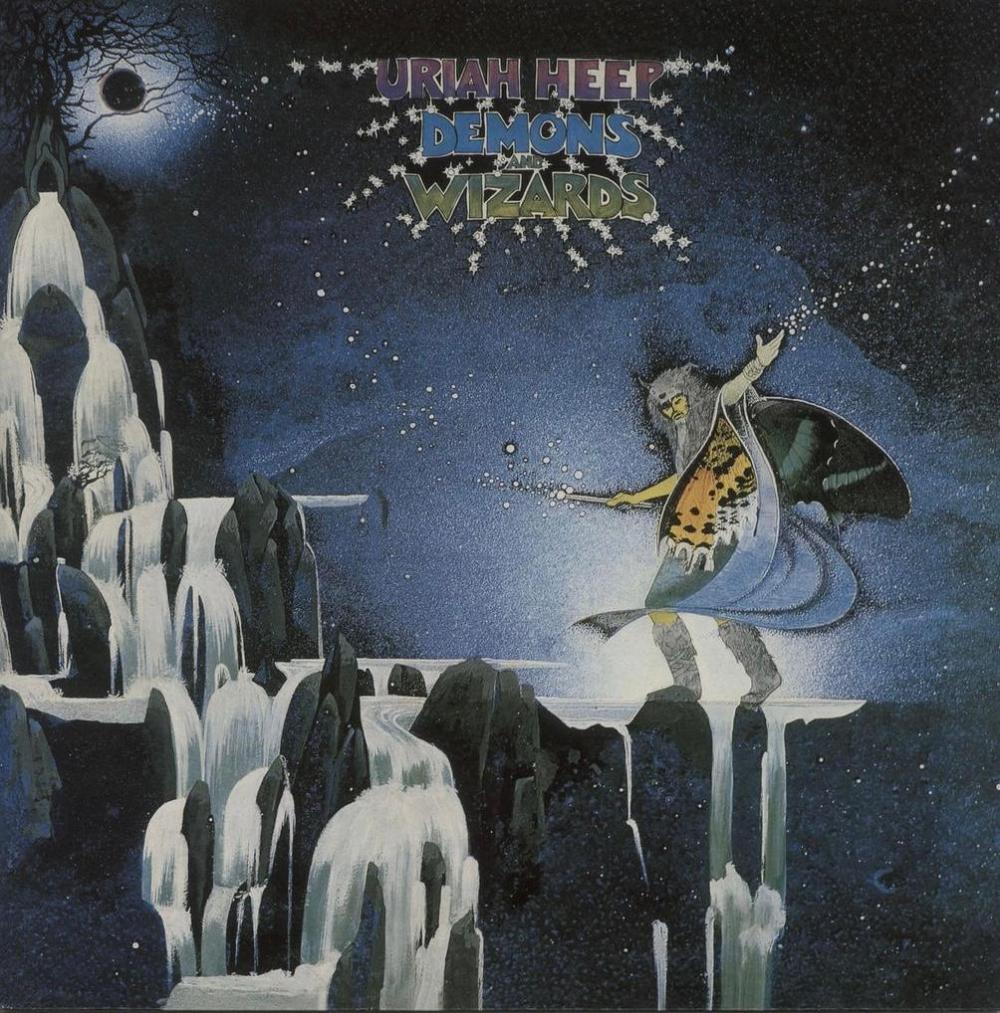
6. Growing up in the 70s, I never met a single person with a good word to say about Uriah Heep. It wasn’t just that folks predisposed to avoid metal considered them unlistenable: every single metal-head I knew held them in one degree of contempt or other. I can’t think of any other heavy rock band that could match them for their lack of approval and appeal. Now, mine was undoubtedly a local and distinctly unrepresentative situation: the band shifted vinyl and concert seats in considerable numbers. But not, I strongly suspect, in my neck of the woods.
Context being pretty much everything, it wasn’t until the mid-2000s and The Heap’s presence on the soundtrack of TV’s brilliant – and brilliantly fantastical – Life On Mars that it felt not just acceptable, but pretty much mandatory to enjoy their music. The likes of Easy Living and Bird Of Prey were suddenly revealed to be Really Rather Good Fun. And if you can, ironically or not, cope with the straight-faced sword’n’sorcery lyrics of The Wizard, then the track’s also well worth a moment or three of your time.
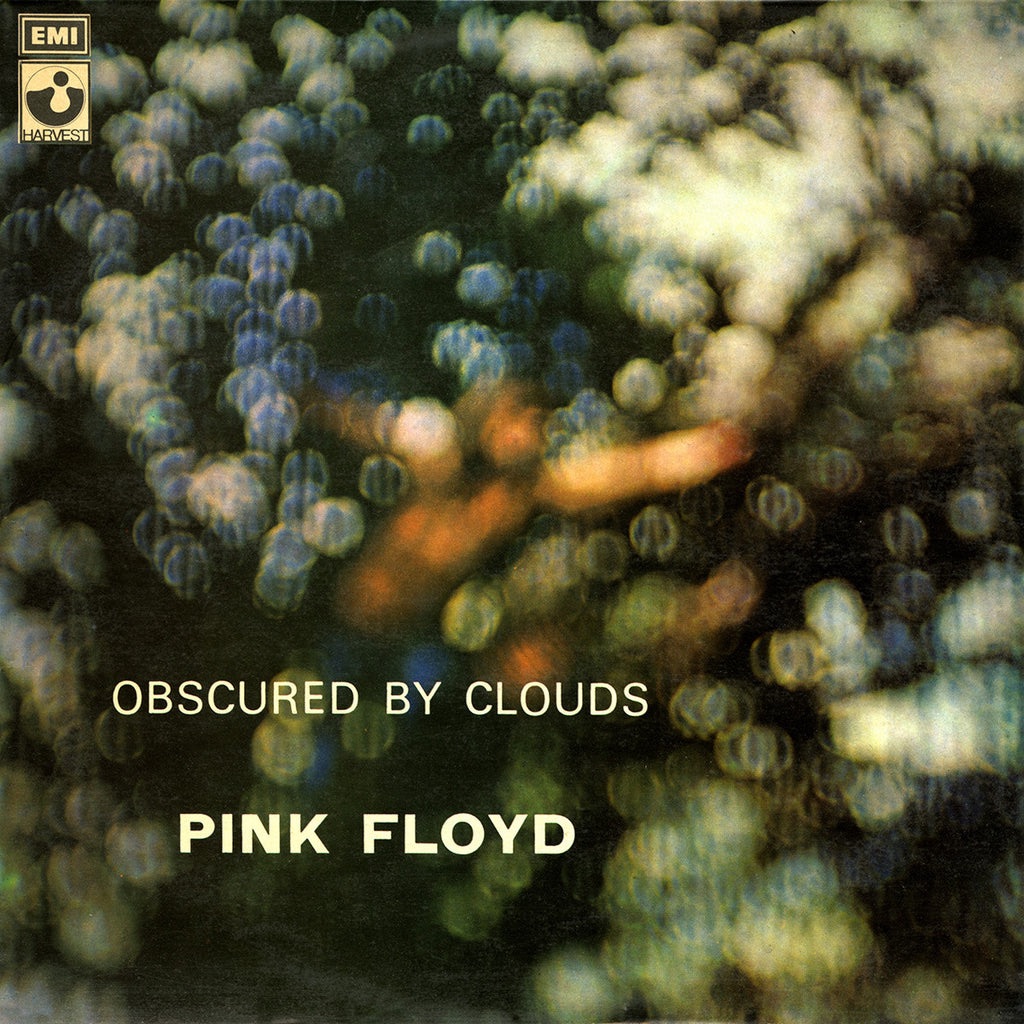
7. Burning Bridges shows The Floyd at their most dreamily bucolic. The lyrics waft by, softly saying something beguiling about ajar doorways and breaking ancient bonds, while Roger Waters immeasurably adds the warm and welcoming vibes by leaving the singing entirely to David Gilmour and Richard Wright.
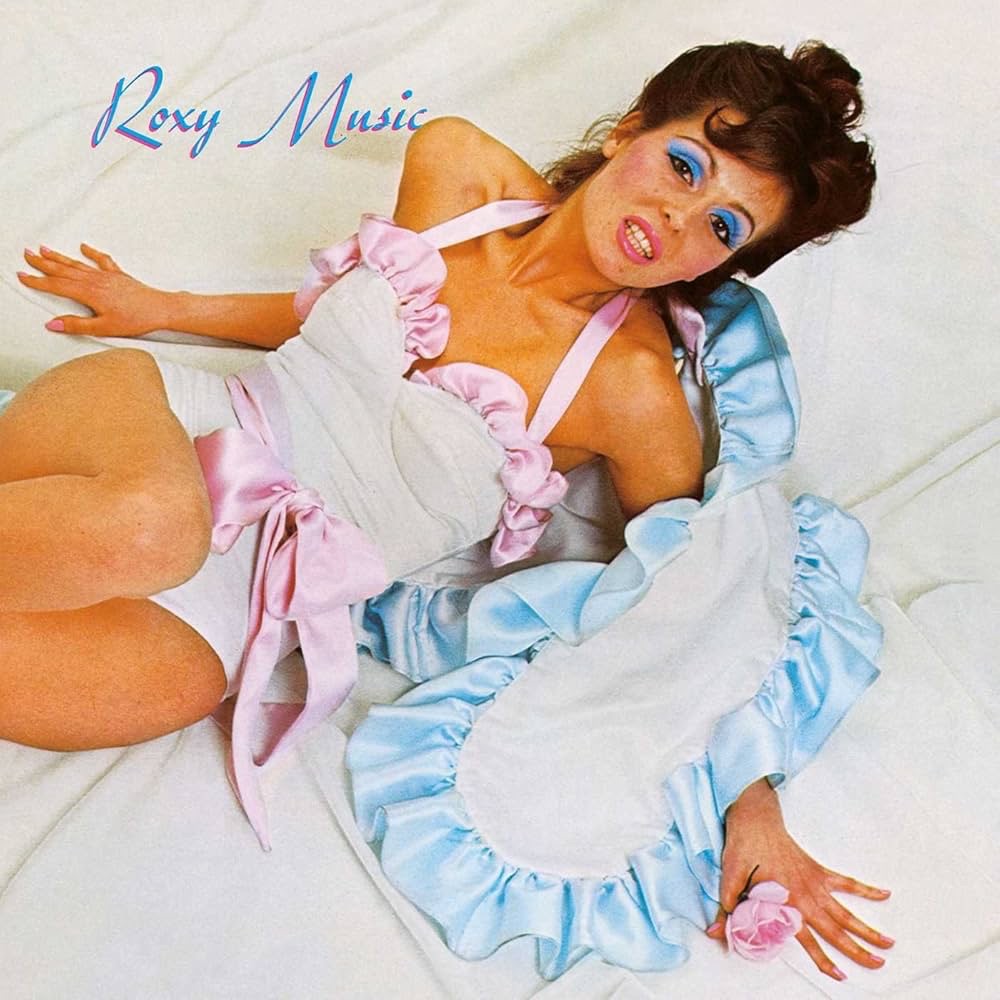
8. Roxy Music most certainly looked like they came from the future, and their music sounded like it too. But the songs themselves on the band’s first album pose a challenge to anyone seeking any obviously fantastical lyrics. The one exception is Ladytron, whose title suggests futuristic technology and artificial life forms. The problem, if problem it is, is that Ferry’s words seem to be about no more or less than a selfish cad of a seducer.
Still, let’s run with the idea that Ferry’s narrator is an android who has, for whatever motive, been created to be both irresistible and sociopathically uncaring. Or perhaps he’s even been made to be bad. There’s a thought to shiver along with.
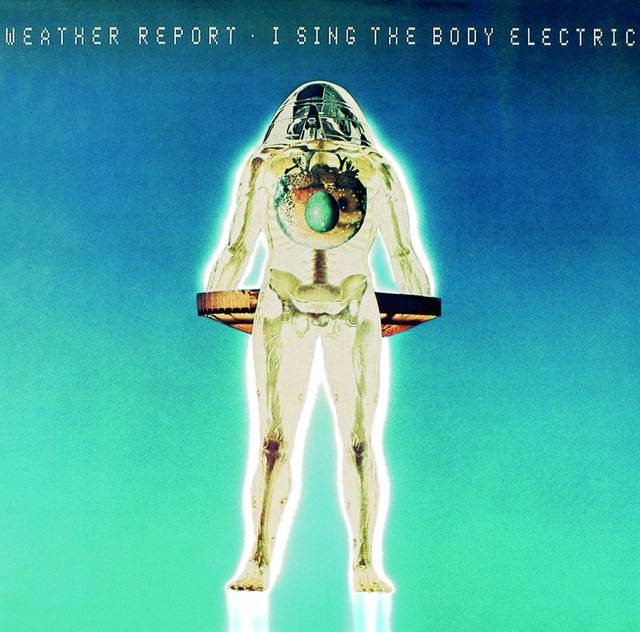
9. Finally, for today, our playlist approaches the end of its first section with the seven minute soundscape that’s Crystal from Weather Report’s I Sing The Body Electric. There’s no escaping the fantastical air that the album’s cloaked in. The Lee/Swanson/Trompetter cover feels suffused with a pseudo-scientific, Daniken-like suggestion of nature-twisting ancient astronauts. (It would have seemed very much at home on the cover of one of the era’s sci-fi paperbacks. Or indeed, one of its plague of Was-God-A-Spaceman tomes.) The album’s very title – by way of Walt Whitman – is the same as that of a 1959 Ray Bradbury story about a disconcerting ‘electric grandmother’. With Weather Report’s own innovative brand of fusion now beginning to incorporate synthesisers and sound-effects, it’s a challenge not to believe that the LP is in part describing alien landscapes and extraterrestrial experiences. It can very much sound that way.
To be concluded tomorrow…

 The Almanac Of The Fantastical