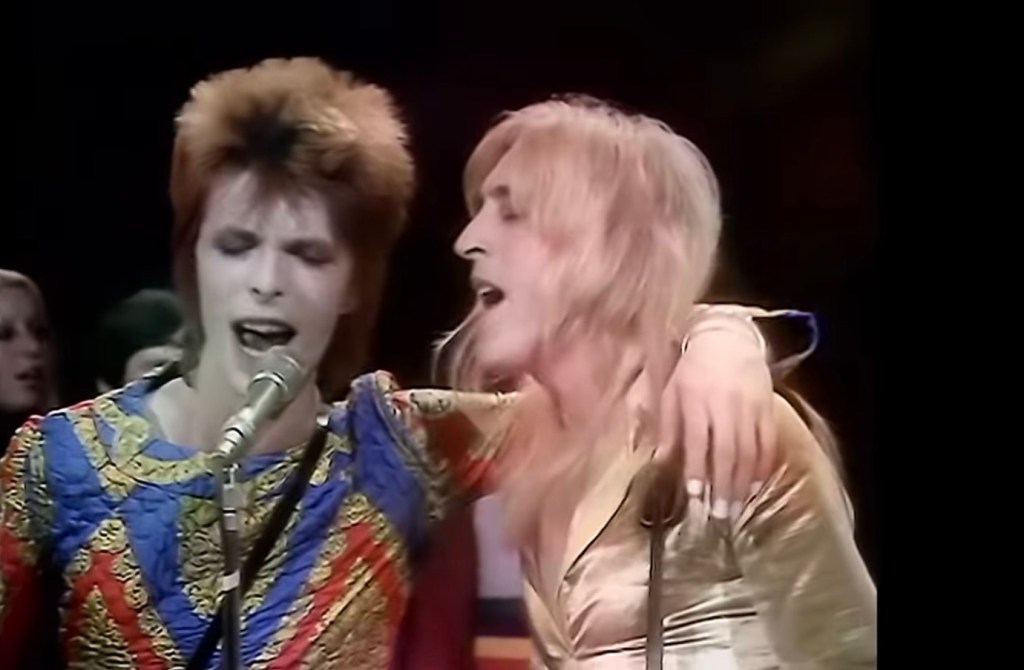
There seems little to add about Bowie’s famous break-through appearance on Top Of The Pops on this very day in 1972. It is, after all, one of the most of the most documented and discussed moments in the history of pop. But it’s also, in a broader sense, one of the key events in the fantastical fiction of the 20th century, and it would be both careless and cowardly to avoid its mention.
Perhaps one way to underscore how very different, how very shocking, the Bowie synthesis of sentiment, song, performance and costume was is to simply note who the other participants in that Top Of The Pops were. His individuality and outrageousness was in large part defined by their very lack of the same. So what did they look like? What were they singing about?
Here, in order of their appearance on that night’s show, and with the appearance by a notorious sexual abuser scrubbed from the record, are the acts who shared the limelight with Bowie on that evening:
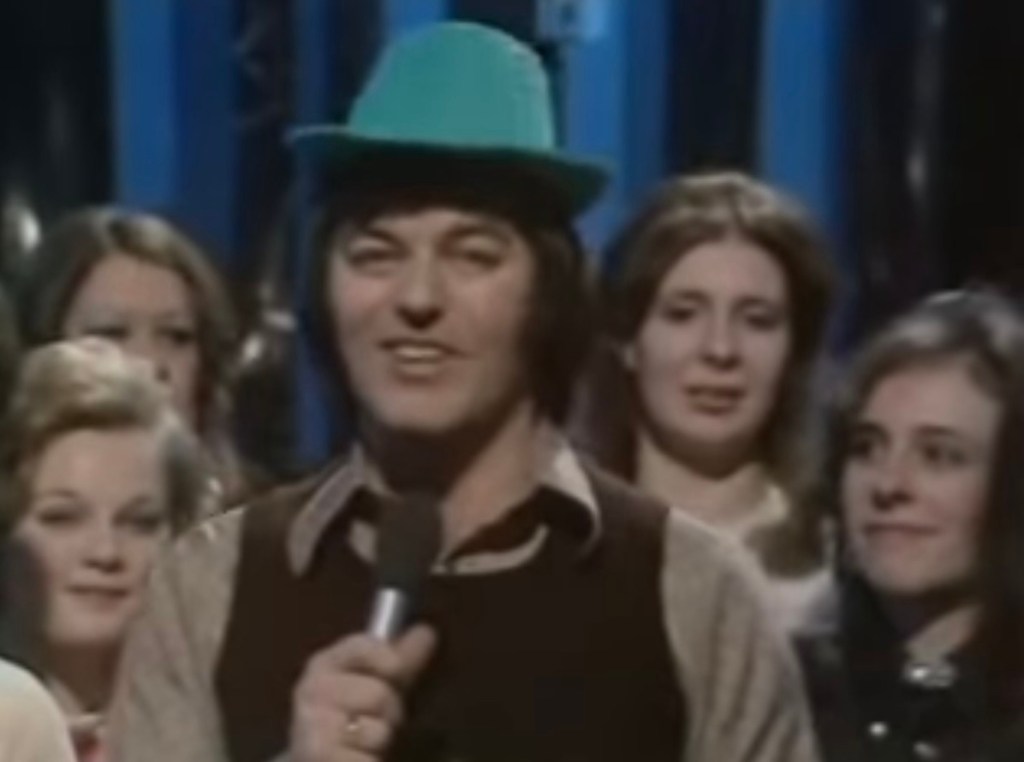
Presenter Tony Blackburn, who seems an awful lot more palatable today than he did back in the day, with a green felt hat, which might just have been the closest he ever got on TV to Going Full Glam.
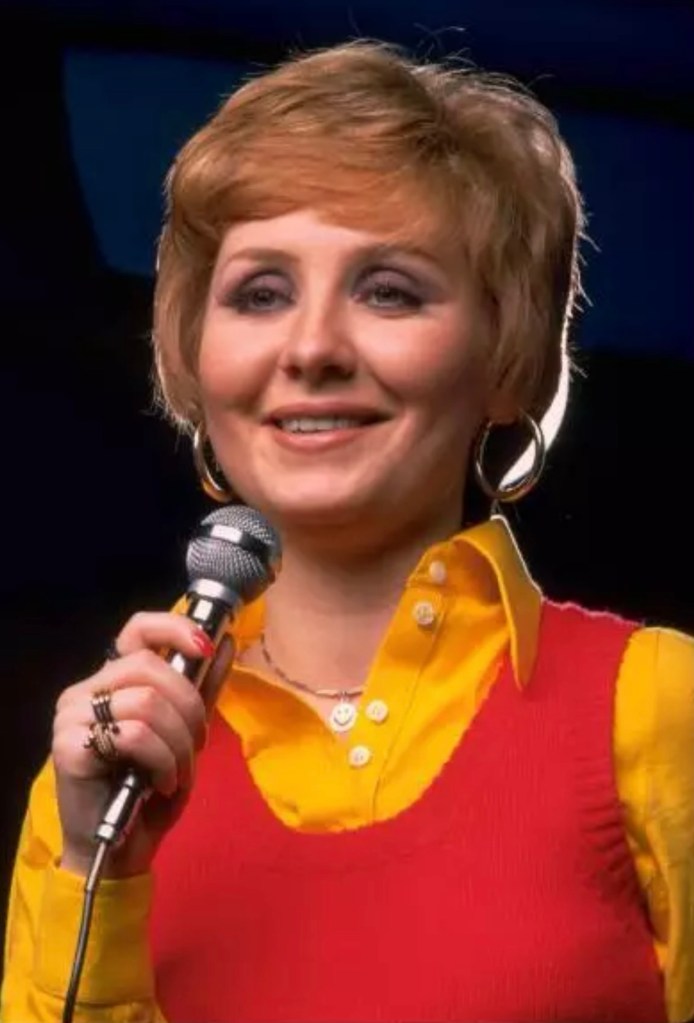
(Unplaced on the chart: new single) Lulu: Even If I Could Change
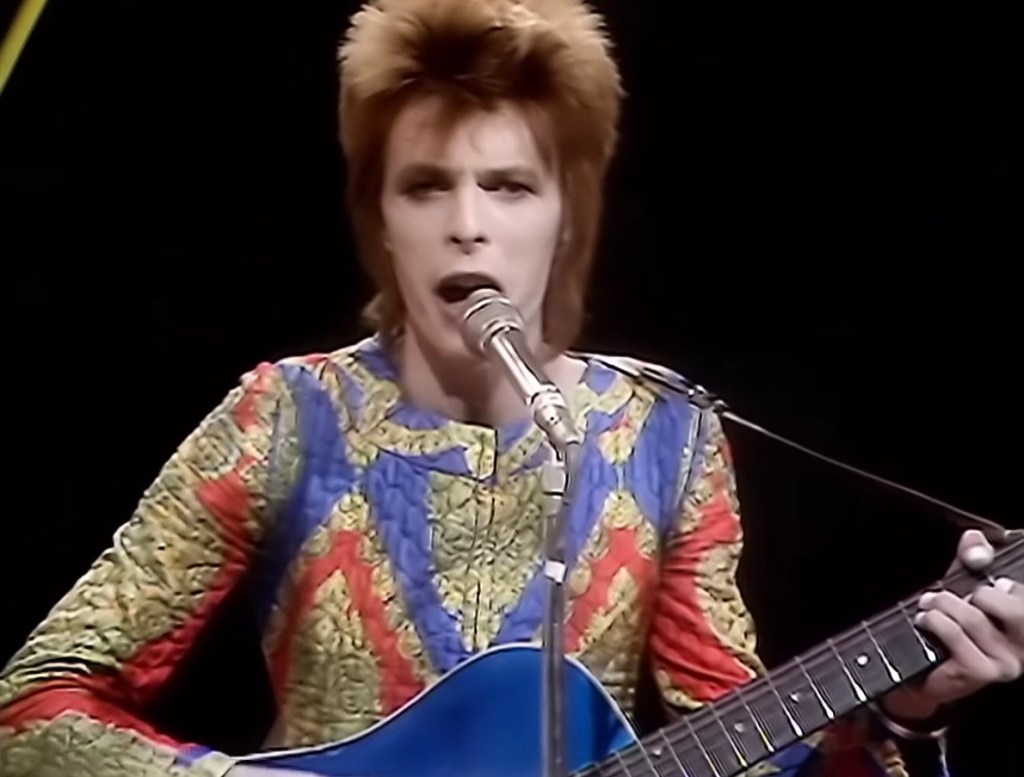
No. 29 – David Bowie: Starman
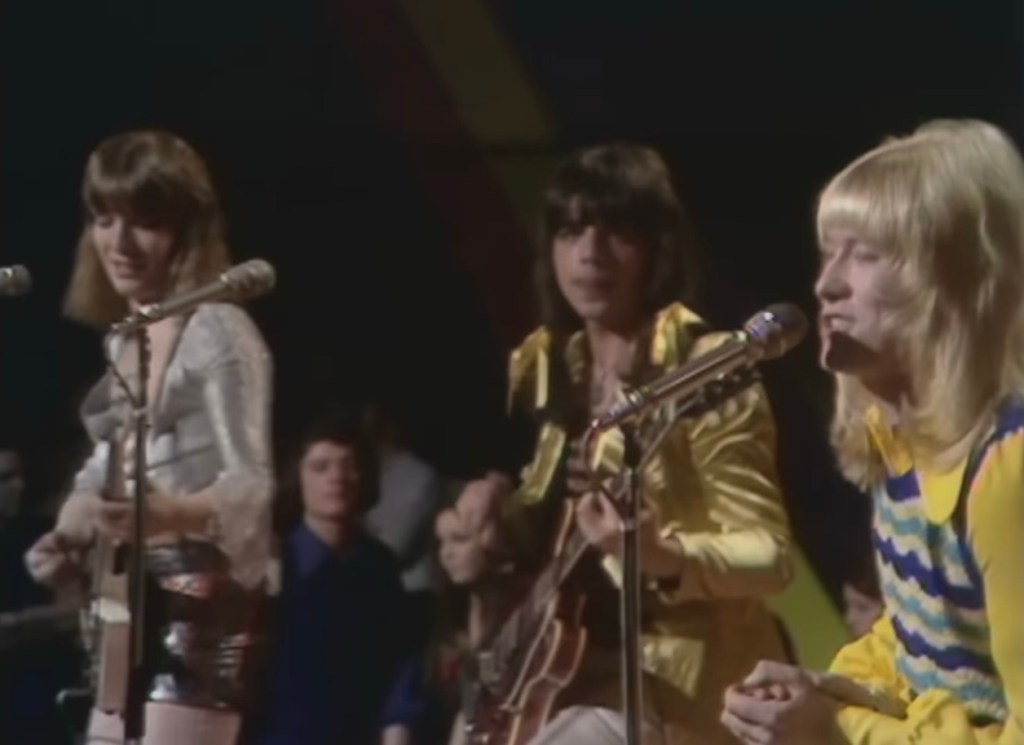
No 4 – The Sweet: Little Wily, with the band already well on their way to Glam Central despite Brian Connelly’s shocking blue-and-turquoise-and-white striped tank top.
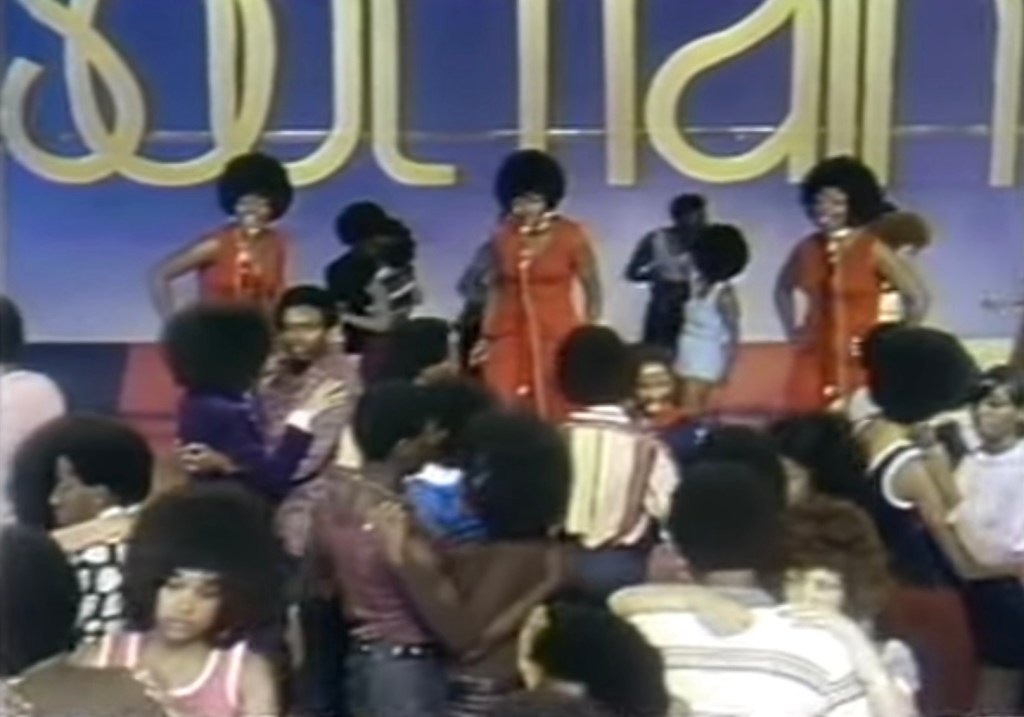
6. Love Unlimited: Walkin’ In The Rain With The One I Love
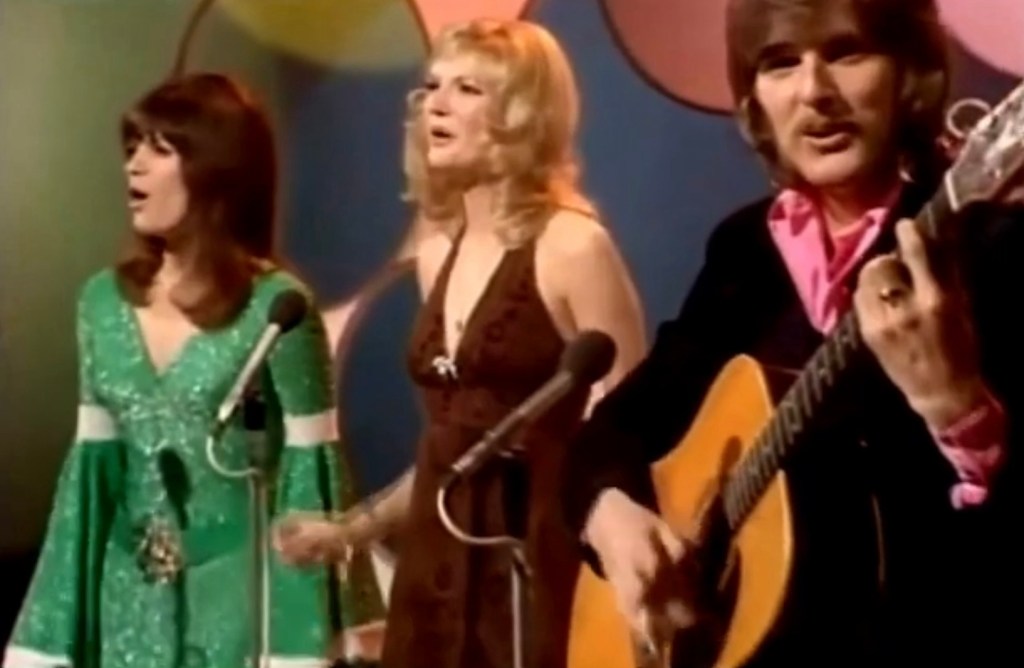
13. The New Seekers : Circles
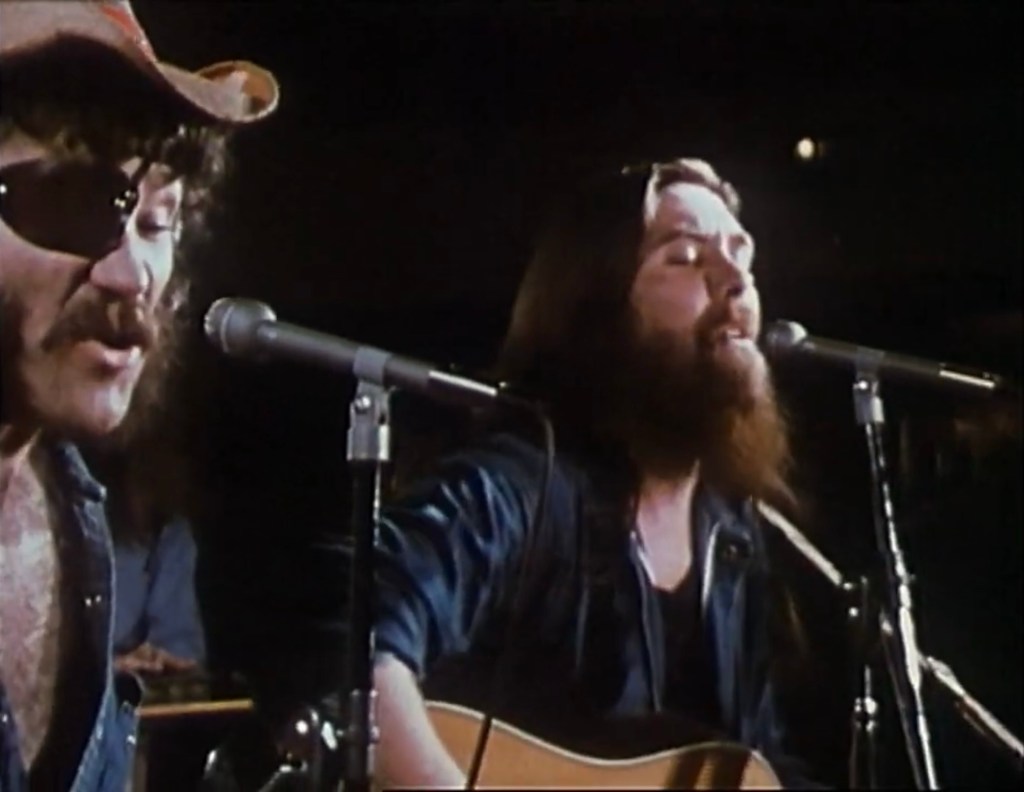
2. Doctor Hook & The Medicine Show: Sylvia’s Mother
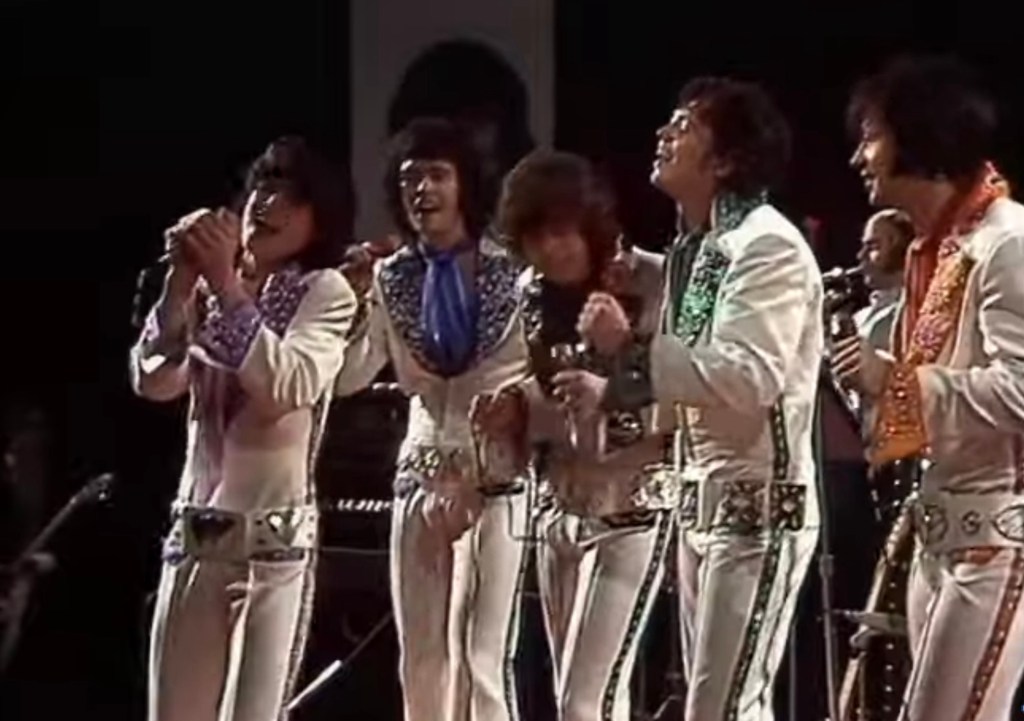
1. Donny Osmond: Puppy Love
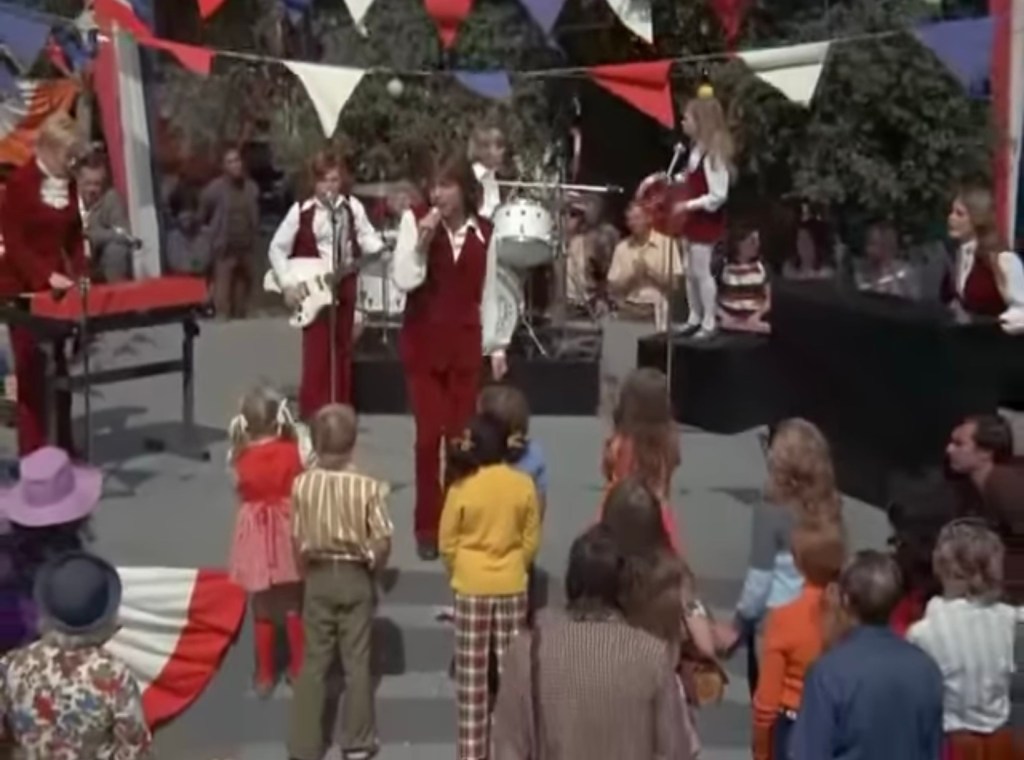
No. 30. The Partridge Family starring Shirley Jones featuring David Cassidy: Breaking Up Is Hard To Do
So even in the context of this single show, Bowie and his band stood out dramatically. There was nothing else to compare in any way with Starman’s joyfull sci-fi messianism. There was certainly nobody to match his and The Spiders’ dedication to full-on Glamsterism. And there wasn’t anything within a solar system or three that matchedb Bowie’s deliberate if playful challenge to heteronormativity. None of that would’ve counted for much if the song wasn’t so strong, so enjoyable, but the whole package was as eye-catching as it was enjoyable/infuriating. It didn’t immediately catapult Bowie to the higher reaches of the chart. In seven days, Starman had risen to #20. In another week, it was at #18. But something far more important than chart placings had been transmitted here: a startling, charismatic identity that was well worth paying close attention to.
He had to call someone, so he picked on you …

 The Almanac Of The Fantastical